services

image5
services

Services that we offer

AFFORDABLE EMOBILITY SOLUTIONS

  • 24/7 online support
  • expert team
  • pure equipment
  • LIFETIME MAINTENANCE
TURNKEY
  • Assessment and planning:
    • Evaluate the vehicle's suitability for conversion, considering factors like chassis strength, body style, and available space for battery placement.
    • Choose a conversion kit that includes an electric motor, battery pack, controller, and necessary wiring harnesses compatible with the vehicle.
  • Engine removal:
    • Dismantle the vehicle by removing the hood, engine mounts, and other components necessary to access the engine.
    • Carefully disconnect and remove the internal combustion engine, transmission, and associated components like the exhaust system.
  • Drivetrain adaptation:
    • Depending on the conversion kit, modify or replace the existing transmission to work with the electric motor.
    • Install new axles or adapt existing ones to accommodate the electric motor's power delivery.
  • Battery pack installation:
    • Select a suitable battery pack based on desired range and vehicle weight.
    • Securely mount the battery pack in the designated space, often within the engine bay or under the floor.
    • Connect the battery pack to the motor controller using appropriate wiring.
  • Electric motor installation:
    • Mount the electric motor in the designated position, usually where the engine was located.
    • Connect the motor to the transmission or drivetrain using the necessary couplings or adapters.
  • Control unit installation:
    • Install the motor controller (inverter) which manages the power flow from the battery to the motor.
    • Wire the controller to the battery pack, motor, and vehicle's electrical system.
  • Charging system integration:
    • Install a charging port and necessary wiring to connect the vehicle to a charging source.
    • Select a suitable charging system based on power requirements and charging time.
  • Testing and calibration:
    • Thoroughly test the electrical system, motor function, and battery performance.
    • Calibrate the vehicle's control parameters to optimize performance and efficiency. 
Timelines:
  • Basic conversion (experienced mechanic): Several weeks to a couple of months.
  • Complex conversion (professional conversion company): Several months to a year. 
Factors affecting conversion time:
  • Vehicle complexity:
    Older, simpler vehicles may be easier and faster to convert than newer, more complex cars. 
  • Conversion kit quality:
    A well-designed and compatible conversion kit can significantly reduce installation time. 
  • Mechanic expertise:
    Skilled mechanics with experience in EV conversions can complete the process faster
SERVICES

Conversion types

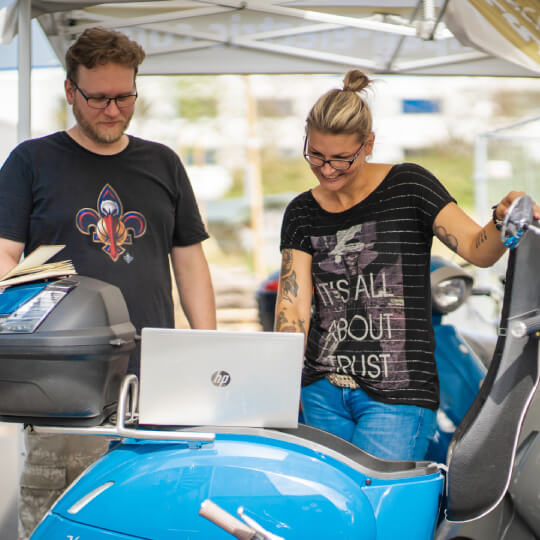
2-3 Wheeler Engines

Electric two-wheelers do not have traditional internal combustion engines. Instead, they use electric motors—commonly hub motors (integrated directly into the wheel) or mid-drive motors (mounted on the frame)—which convert electrical energy from a battery directly into mechanical torque.

Sedans

Electric vehicles do not use "engines." Instead, they use electric motors. An electric four-wheeler (like an ATV or quad) is driven by one or more electric motors powered by a battery pack

Delivery Vans

Electric 2-wheeler and 3-wheeler delivery vans are highly efficient, cost-effective solutions for last-mile logistics in South Africa.  They provide larger cargo capacities, lower maintenance, and significantly reduced operational costs, with many operating at under R1 per day

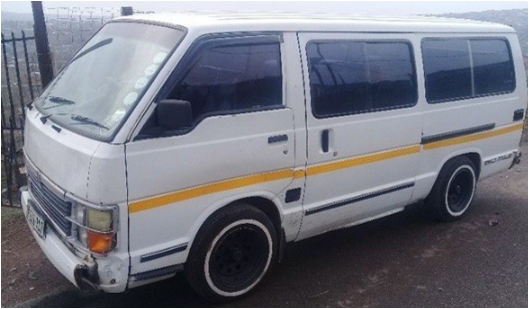
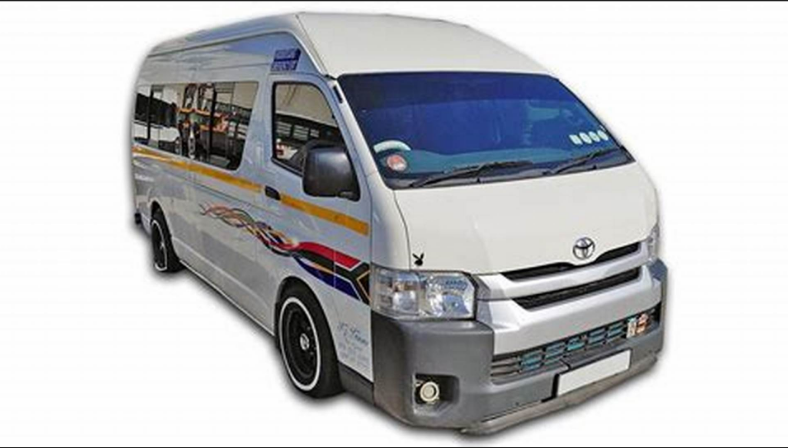
Taxi Kombis
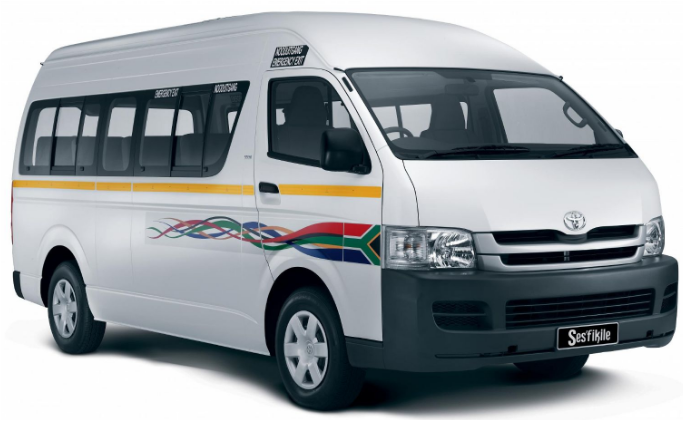
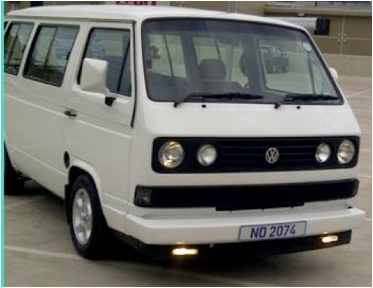
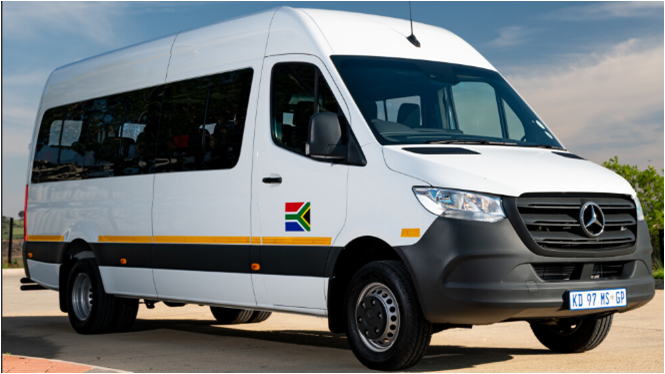
Retrofitting existing taxi kombis (minibuses) with electric powertrains is a highly viable, cost-effective strategy to decarbonize public transport in South Africa. By replacing combustion engines with electric motors, operators can drastically reduce running and maintenance costs while maintaining the familiar 15-passenger layout.
Buses

An EV retrofit replaces a bus's internal combustion engine, fuel tank, and transmission with an electric motor, battery packs, and control electronics. This extends the lifespan of existing fleets at roughly half the cost of buying new zero-emission vehicles

Trucks

Electric Vehicle (EV) retrofitting converts existing diesel track-and-trailer trucks (semis) by removing the internal combustion engine and replacing it with an electric motor, battery pack, and motor controller. This extends the lifespan of current fleets while reducing emissions and maintenance costs.

Focused conversions
Picture1

Aliquam Vitae

Picture3

Perspiciatis unde

Picture4

Sit voluptatem

Picture5

Beatae vitae

Picture2

Explicabo

Screenshot_1

Voluptatem

Toyota Quantum